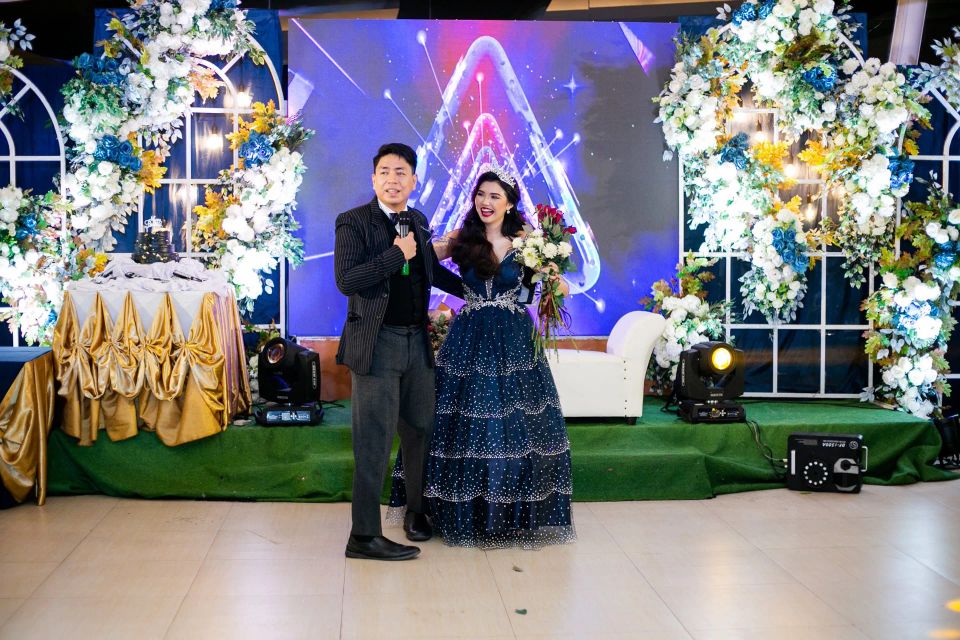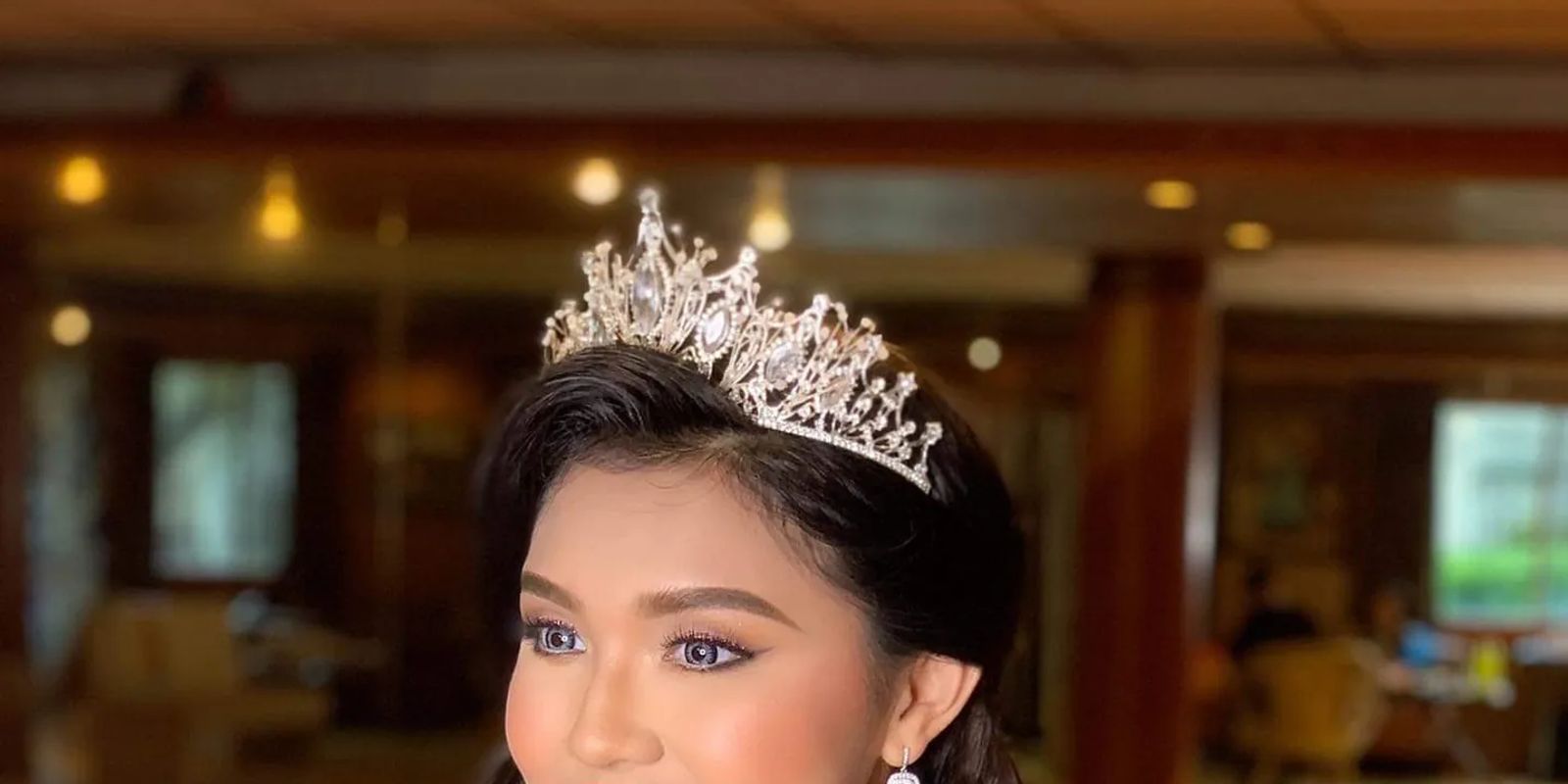
The 18 traditions of a Filipino debut are the ceremonial segments built around the number 18: the 18 roses, 18 candles, and 18 treasures at the core, plus supporting ones such as 18 shots, 18 blue bills, and 18 wishes. Families choose which to include.
The 18 traditions of a Filipino debut are the structured segments that give the celebration its meaning, its emotion, and its unmistakable cultural identity. They are what separates a debut from an ordinary birthday party.
Having hosted many debut celebrations across the Philippines, I have seen these traditions move rooms to tears, bring estranged family members together, and give young women the experience of knowing, unambiguously, how loved they are. When they are done well — paced properly, personalised carefully, and facilitated with genuine warmth — the 18 traditions are among the most powerful experiences a Filipino family shares.
Here is what each tradition involves and why it matters.
What Are the Three Core Debut Traditions?
1. The 18 Roses
The 18 roses are presented by 18 significant men in the debutante's life — one rose each, symbolising love, support, and the role each man has played in her story. This is almost universally the longest and most emotional segment of the debut program.
Who presents? Typically: the father first, then brothers, grandfathers, uncles, male cousins, close male friends, and — almost always last — the boyfriend or most significant male figure. The order moves from immediate family outward, saving the most anticipated presentation for last.
What happens? Each giver approaches the debutante, presents his rose, and either delivers a brief personal message or has the event host read a message on his behalf. A professional debut emcee collects these messages before the event and prepares them to honour each relationship.
How long does it take? At a proper pace — 60 to 90 seconds per presenter — the 18 roses take 20 to 25 minutes. Rushing this segment is the most common mistake an inexperienced host makes.
2. The 18 Candles
The 18 candles are presented by 18 significant women who each hold a lit candle and share a wish or blessing for the debutante's future. Where the 18 roses honour the past, the 18 candles look forward — the women in her life sending her into adulthood with their light.
Who presents? The mother traditionally presents first — her message is often the longest and most emotional. Grandmothers, aunts, female cousins, and close female friends follow.
What happens? Each woman approaches with her lit candle, delivers her message (herself or through the host), and places the candle in an arrangement. The visual effect of candles accumulating through the segment — the room gradually brightening — is one of the most beautiful moments of a debut.
How long does it take? The 18 candles run 15 to 20 minutes at a proper pace.
3. The 18 Treasures
The 18 treasures are symbolic gifts — meaningful objects paired with a life lesson — given by 18 people who want the debutante to enter adulthood equipped for what lies ahead. Common treasures include:
- Bible — faith and spiritual grounding
- Piggy bank — financial wisdom
- Recipe book — nourishment and the warmth of home
- Umbrella — protection in difficult seasons
- Journal — self-reflection and inner life
- Compass — direction and purpose
- Watch — the value of time
- First-aid kit — resilience and preparedness
- Travel wallet — adventure and openness to the world
When are they presented? Usually during dinner service — one every two to three minutes — keeping the program active without requiring guests to stop eating for a long block. At this pace, the 18 treasures take 40 to 45 minutes total.
For a deep dive on scripting and sequencing all three core traditions, see: 18 Roses, 18 Candles, 18 Treasures — Meaning, Order, and How to Script Them
What Are the Supporting Debut Traditions?
4. The Grand Entrance of the Entourage
Before the debutante arrives, her court enters — chambermaids, chamberlains, and principal partners — each pair introduced by the event host. Music builds in energy with each entrance, creating anticipation for what comes next.
5. The Grand Entrance of the Debutante
The single most anticipated moment of the evening. After the entourage is assembled, the lights often dim, a spotlight appears, and the host delivers a personalised narration telling the debutante's story. The room goes quiet. She enters.
A skilled debut host crafts this introduction carefully. It should be personal, warm, and build genuine anticipation — not generic lines read from a template.
6. The Cotillion de Honor
The cotillion is a choreographed group dance performed by the debutante and her court — the visual centrepiece of the debut, often practised for weeks, set to a carefully chosen music medley. The event host facilitates the transition into and out of the cotillion, sometimes narrating the concept or building anticipation before the performance begins.
7. The Debutante's Message
One of the most personal moments of the evening. The debutante steps to the microphone and addresses her parents, family, and guests — thanking them, sharing what this milestone means, and occasionally surprising her parents with a heartfelt tribute.
A professional host creates space for this moment and ensures the AV team is ready to support it.
8. The Father-Daughter Dance
A quiet, tender moment late in the program — after dinner, as the evening transitions toward celebration. The song choice is deeply personal. A skilled host introduces this moment with warmth and ensures the room gives it full attention.
9. The Toast
Typically offered by a parent or family elder, the toast marks the close of the formal program and the transition toward open celebration.
10. The Birthday Song and Cake
One of the joyful, lighter moments of the evening. The host gathers the room, leads the birthday song, and creates the moment for the debutante to make her wish.
11. The Opening Prayer
Almost all Filipino debut programs begin with a prayer — delivered by a family member, pastor, or designated elder. The host introduces and closes this segment.
12. Welcome Remarks
The host's opening of the program: welcoming guests, acknowledging the family, and setting the tone for the evening ahead.
13. Principal Sponsors Recognition
Godparents and key family supporters are acknowledged by the host — named individually and invited to receive recognition from the room.
14. The Debut Waltz
Some debuts include a formal debutante waltz — an elegant slow dance between the debutante and a selected escort, separate from the cotillion. This carries a more formal, classical feeling and is particularly common in more traditional family celebrations.
15. The Money Dance
A tradition at some Filipino debuts, particularly in regional celebrations: guests pin bills onto the debutante's sash as a symbolic gift of prosperity. Less common in Metro Manila but beloved in many provincial families.
16. Photo Opportunities
Structured photo moments woven throughout the program — after the grand entrance, after the 18 roses, after the cotillion. A good host coordinates these with the photographer.
17. The Last Dance
The final dance of the evening — often between the debutante and her father before being opened to all guests — formally closes the celebration.
18. The After-Party
Open dancing and celebration after the formal program ends. The host typically closes the structured segments and transitions the energy to the DJ or band.
Which Traditions Should You Include?
Not every Filipino debut includes all 18 formal traditions. Many families choose a curated program — the three core traditions plus the grand entrance, cotillion, debutante's message, and father-daughter dance — and build the rest of the evening around dinner and dancing.
The traditions you include should reflect what matters most to your debutante and your family. Seven beautifully executed traditions will always outshine seventeen rushed ones.
For the complete program structure and timing guide, see: Filipino Debut Program Flow — A Complete Run of Show
To have Rob personally script and facilitate these traditions at your debut, visit the 18th birthday debuts page or contact Lumé by Rob.
Frequently Asked Questions
What are the 18 traditions in a Filipino debut?
The 18 traditions include the 18 roses, 18 candles, 18 treasures, grand entrance, cotillion de honor, debutante's message, father-daughter dance, toast, birthday song and cake, opening prayer, welcome remarks, principal sponsors recognition, and open dancing. Not all debuts include every tradition — families choose the segments most meaningful to them.
Which debut tradition takes the longest?
The 18 roses is typically the longest segment — around 20 to 25 minutes at a proper pace. The 18 candles follow at 15 to 20 minutes. The 18 treasures are usually spread across dinner service and take 40 to 45 minutes in total.
Do you need to include all 18 traditions at a Filipino debut?
No. Many families choose a curated set of traditions — typically the three core segments (roses, candles, treasures) plus the grand entrance, cotillion, debutante's message, and father-daughter dance. A well-executed program with seven traditions will always outshine a rushed program trying to fit in eighteen.