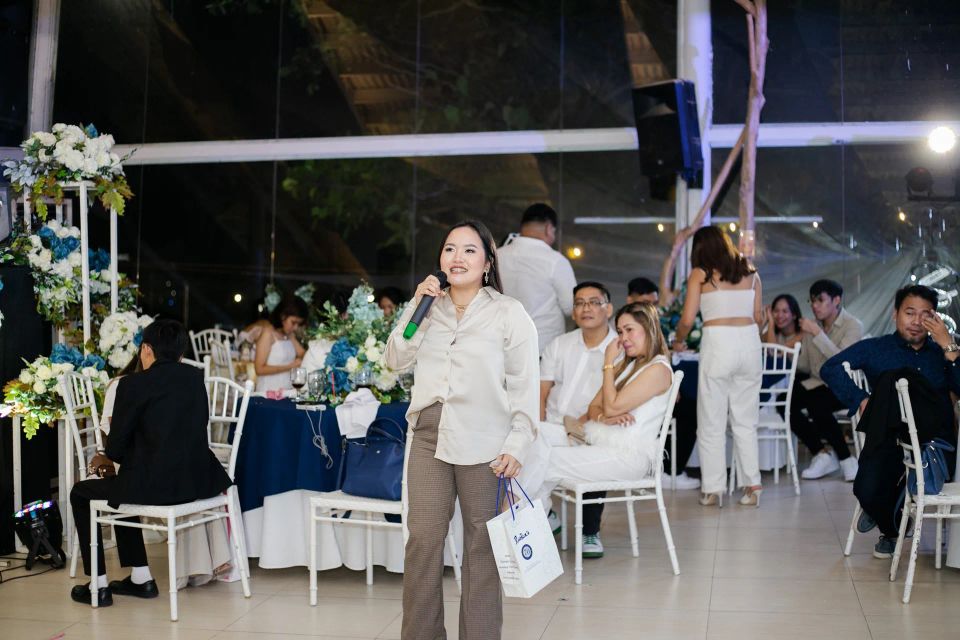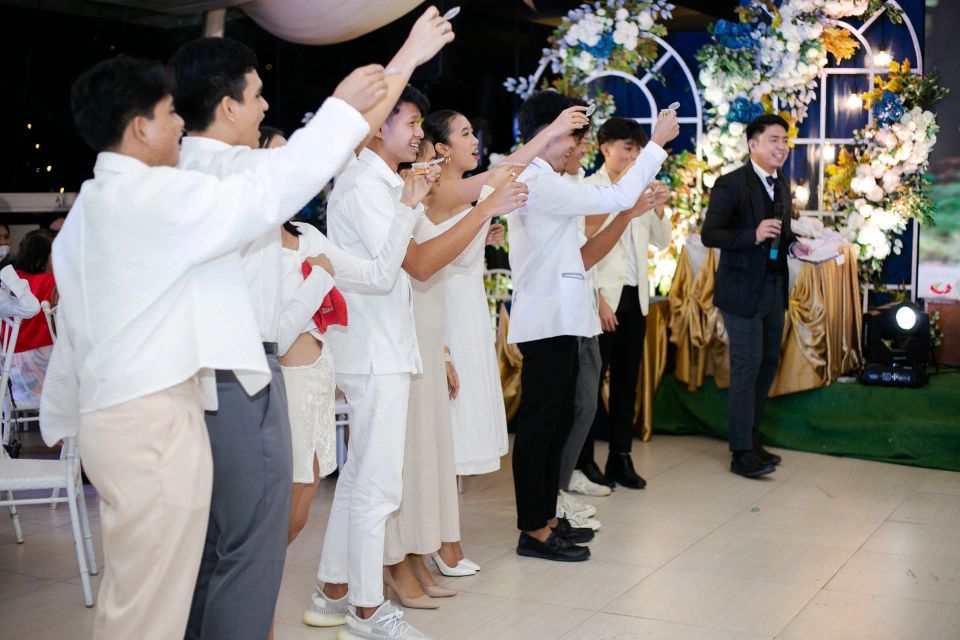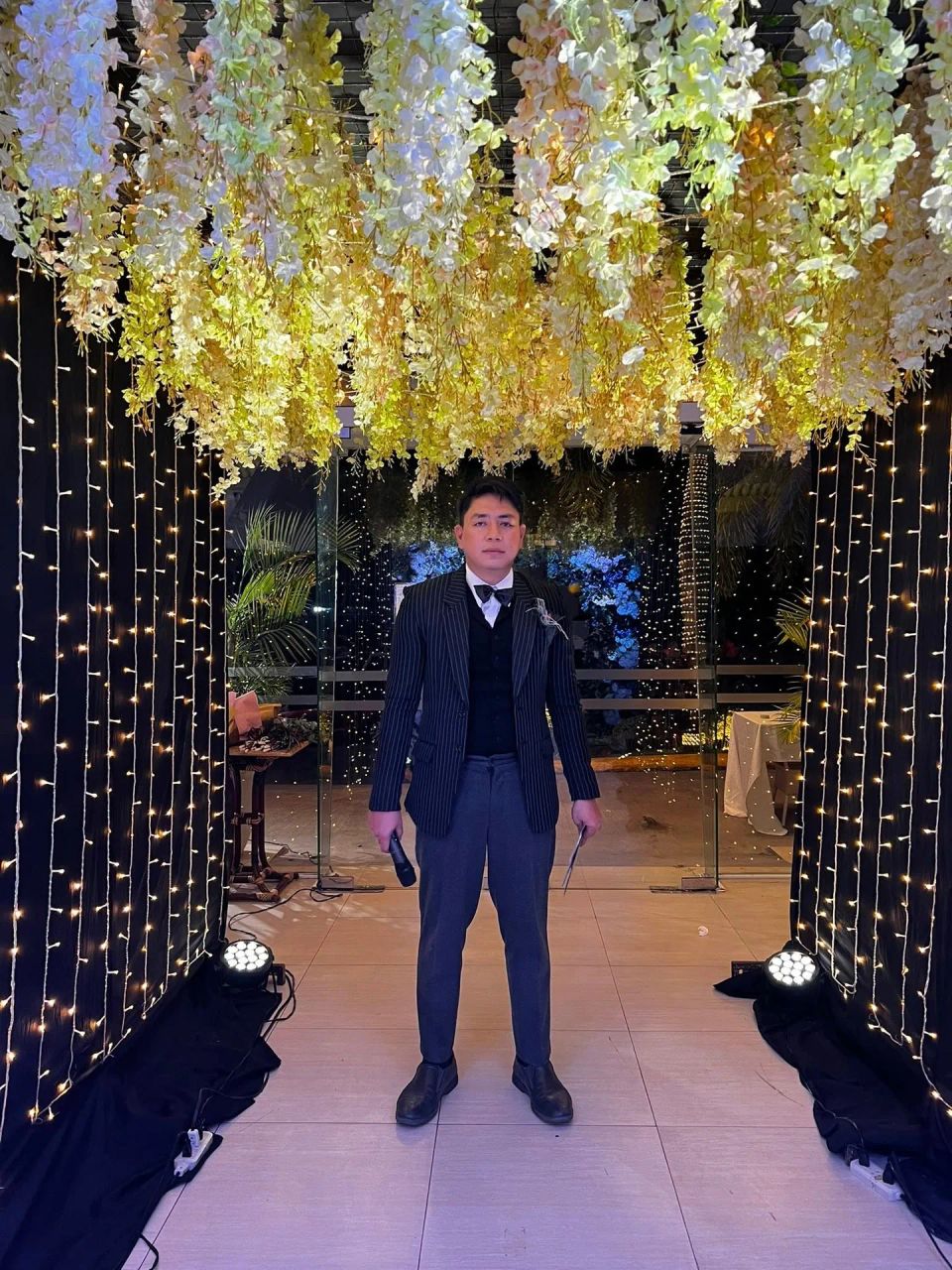
In the Philippines, emcee, MC, master of ceremonies, and event host all mean the same person: the one who runs the program on the microphone. The words differ by habit, not by job. Search for both when you are hiring.
Search for someone to run your program in the Philippines and you will meet four words for one job: emcee, MC, master of ceremonies, and event host. Families often wonder whether they mean different things, and whether they are hiring the right one. They are the same person. This guide explains where each word comes from, what the job actually involves, and how to tell a professional from someone who simply owns a microphone.
Are Emcee, MC, and Master of Ceremonies the Same Thing?
"MC" is short for master of ceremonies. "Emcee" is simply how MC sounds when you say it out loud, spelled as a word. All three describe the person who guides guests through a live program: opening the event, introducing each segment, calling people to the stage, keeping time, and closing the night.
The phrase goes back to formal European ceremonies, where a master of ceremonies managed protocol. In Filipino celebrations the role kept the name but became warmer and more personal. Today an emcee at a debut in Pasig does the same job as a master of ceremonies at a corporate gala in Makati. Only the tone changes.
Where Does the Term "Event Host" Come From?
"Event host" is the same role described by what it feels like to guests rather than by protocol. Filipinos borrowed the phrase from television, where a host holds a show together, welcomes people, and keeps energy up between segments. A wedding host, a debut host, and a corporate event host do exactly that in a ballroom instead of a studio.
Suppliers in the Philippines tend to use "host" on social media and "emcee" on contracts and program sheets. Clients use whichever they heard first. If you are searching, use both words. A search for event host in the Philippines and a search for "emcee" will return the same professionals.
What Does an Emcee or Event Host Actually Do?
Whatever you call the role, a professional does far more than announce names. A good event host in the Philippines handles:
- The program. Opening remarks, entrances, prayers, speeches, ceremonial segments, games, toasts, and the closing, in the right order and at the right pace.
- The room. Reading energy, warming up a quiet crowd, settling a noisy one, and knowing when to let a moment breathe.
- The cues. Working with the lights-and-sounds team, the photographer, the coordinator, and the caterer so that every segment starts when the room is ready for it.
- The people. Pronouncing every ninong and ninang correctly, introducing the 18 roses without stumbling, and making the celebrant or couple feel that the night was written for them.
- The surprises. A late cake, a missing sponsor, a rain delay at a garden venue. Guests should never notice.
Who Is Not an Emcee?
Three roles get confused with the emcee, and the confusion costs families money and stress.
The coordinator. The wedding coordinator or event planner runs logistics behind the scenes: suppliers, timelines, payments, and problems. The emcee runs the program in front of the guests. They are a pair, not a substitute for each other.
The DJ or lights-and-sounds team. They provide the music and the equipment. Some DJs offer to "host" for free. A DJ reading names between songs is not the same as a host who has scripted your program, met your family, and rehearsed the cues.
A talented relative. Every family has a tito with confidence and a loud voice. He is wonderful at the karaoke and a risk at the 18 candles. The best emcees are prepared, sober, and free to give the program their full attention while your family enjoys the night.
How to Tell a Professional From an Amateur
When you message an emcee or host, three things reveal whether you are dealing with a professional.
- They ask about you before they quote. A professional wants the date, venue, guest count, and the story of the celebrant before naming a price. Someone who sends a rate card in the first reply is selling a package, not hosting your event.
- They talk about the script. Ask whether they write a custom script and how they collect the names and relationships of participants. A yes, with a process, is the mark of a professional.
- They mention coordination. A professional will ask who your coordinator, photographer, and lights-and-sounds supplier are, because they intend to work with them before the day.
Which Word Should You Use When Searching?
Use both. Search "debut emcee" and "debut host". Search "wedding MC Philippines" and "wedding host Philippines". Add your city or province. The same professionals appear under all of them, and searching both ways stops you from missing a good one who happens to use the other word.
If you are planning a celebration in Metro Manila or anywhere in the Philippines and want a host who is also an emcee, check Rob's availability with your date and venue.
Frequently Asked Questions
Is an emcee the same as an event host?
In the Philippines, yes. Emcee, MC, master of ceremonies, and event host all describe the person who runs the program on the microphone. Suppliers and clients use the words interchangeably, and a professional will answer to all of them.
Is an emcee the same as an event coordinator?
No. The coordinator manages logistics, suppliers, and the timeline behind the scenes. The emcee runs the program in front of the guests. Many events have both, and the two work as a pair on the night.
What should I type when searching for one?
Search for "event host" or "emcee" plus your event and city, for example "debut emcee Quezon City" or "wedding host Tagaytay". Both words return the same kind of professional.